IA-2 is an autoantibody marker associated with autoimmune damage to the pancreatic beta cells. It is frequently present in patients with newly diagnosed type 1 diabetes and typically reflects a more active autoimmune process with faster disease progression.
Testing for IA-2 naturally complements GAD65 and increases the overall sensitivity of autoimmune diabetes diagnostics, particularly in patients with unclear classification. While GAD65 is typically found in adult patients with a slower disease course, such as LADA, IA-2 more commonly appears in cases where diabetes progresses more rapidly.
The combination of both markers therefore provides a more comprehensive diagnostic picture and enables the identification of patients with autoimmune diabetes before the disease has fully developed.
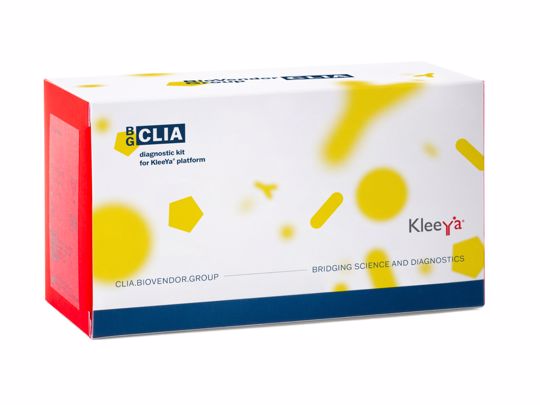
The portfolio of markers for functional pancreatic assessment, C-peptide and Insulin, complemented by autoimmune diabetes markers GAD65 and IA-2, which are not commonly available on other CLIA platforms, represents a significant advantage of the CLIA solution from BioVendor Group.
Benefits of BioVendor Group's Diabetes Panel on the CLIA Platform
- The combination of functional and autoimmune markers enables more precise differentiation of type 1 diabetes, LADA, and type 2 diabetes
- Supports early diagnosis of autoimmune diabetes, including in patients with an atypical disease course or unclear classification
- Increases clinical value in situations where standard classification is insufficient and contributes to a better understanding of disease etiology
- Streamlines the testing process and simplifies the interpretation of results
- GAD65 and IA-2 markers in CLIA format on a fully automated platform ensure a high level of automation and maximum user convenience
Benefits of Automated CLIA Tests for GAD65 and IA-2
The CLIA method offers a number of practical advantages over the established ELISA and RIA methods for routine laboratory operations:
- Automated CLIA tests for GAD65 and IA-2 significantly reduce hands-on time
- Tests provide shorter analysis time and faster availability of results for clinical decision-making
- CLIA method ensures a higher level of standardization, better reproducibility, and improved consistency of results
- Unlike the RIA method, it requires no radioactive materials, ensuring safer operation