
CLIA Leptin
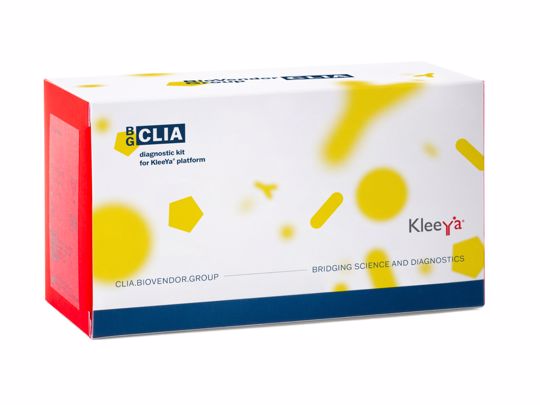
Chemiluminescence kit for the detection of leptin in human serum.
New
Chemiluminescence kit for the detection of leptin in human serum.
| Catalog Number: | CL-LEP050 |
|---|---|
| Size: | 50 tests |
| Regulatory status: | RUO |
| Clinical topic: | Diabetes & Metabolism Disorders |
| Diagnostic panel: | Metabolic Syndrome Panel |
| Producer: | TestLine Clinical Diagnostics s.r.o. |
Adiponectin and leptin are among the most important adipokines produced by adipose tissue. These hormones not only act as signaling molecules in energy metabolism but also play a key role in regulating inflammatory processes, insulin sensitivity, and the development of cardiometabolic diseases. Their circulating concentrations and mutual ratio serve as valuable biomarkers for the early detection of metabolic dysfunction and the risk of developing type 2 diabetes or cardiovascular disease.
Leptin – a hormone of energy balance and a marker of leptin resistance
Leptin is produced primarily by white adipose tissue, and its serum levels correlate with total body fat. Its physiological function is to suppress appetite and regulate energy expenditure through the hypothalamus.
However, in obesity, leptin resistance frequently develops, meaning that even very high leptin levels are not effectively utilized by the organism. This condition is associated with:
Leptin is also an important immunomodulator; it influences T-lymphocyte proliferation and promotes a pro-inflammatory profile, which explains its role in the low-grade inflammation accompanying metabolic syndrome.
Adiponectin-to-leptin ratio (Adpn/Lep) – a comprehensive marker of adipose tissue function
The Adpn/Lep ratio has emerged as a sensitive indicator of adipose tissue dysfunction and metabolic imbalance. It reflects the balance between the protective and risk-associated effects of adipokines.
Given their role in the pathogenesis of insulin resistance and atherosclerosis, adiponectin and leptin are increasingly recommended as complementary biomarkers for patients with obesity, prediabetes, and cardiometabolic risk.
| Assay time | 15 min |
| Assay stability | 30 days on board stability / In use stability until the expiration date at storage temperature 2-8 °C |
| Sample matrix | Serum |
| Sample volume | 13 µL |
| Sample stability | 7 days at 2-8 °C, 24 months at -20 °C |
| Measuring range | 1 – 64 ng/ml |
32198598,31766143,30400097,27524739,29177243,27589387,24639732,21622768,20413520,18492759,18396058,17635573,17302868,16956602,17259496,15265818,11781755,11428717,11029324,9504534,9144295,8532024,7624776