GAD65 (glutamate decarboxylase 65) is one of the most significant autoantibodies associated with autoimmune diabetes. The number 65 refers to the molecular weight of the protein, which is 65 kilodaltons. It is frequently found in patients with type 1 diabetes and latent autoimmune diabetes in adults (LADA).
The presence of GAD65 antibodies supports the identification of autoimmune damage to the pancreatic beta cells and helps distinguish autoimmune diabetes from type 2 diabetes, particularly in patients with an atypical clinical presentation.
GAD65 is considered one of the most sensitive markers of autoimmune diabetes, especially in adult patients and in LADA. Its presence can be detected in the early stages of the disease, contributing to earlier diagnosis and appropriate therapeutic decision-making.
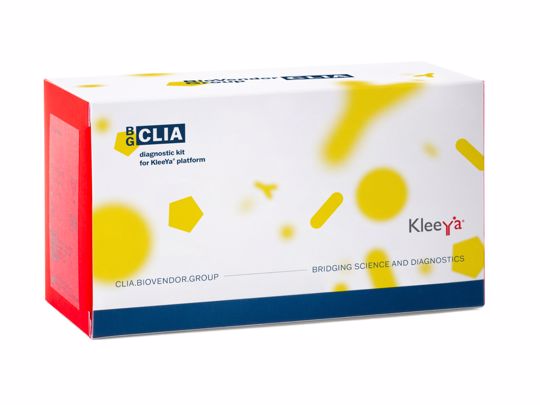
The portfolio of markers for functional pancreatic assessment, C-peptide and Insulin, complemented by autoimmune diabetes markers GAD65 and IA-2, which are not commonly available on other CLIA platforms, represents a significant advantage of the CLIA solution from BioVendor Group.
Benefits of BioVendor Group's Diabetes Panel on the CLIA Platform
- The combination of functional and autoimmune markers enables more precise differentiation of type 1 diabetes, LADA, and type 2 diabetes
- Supports early diagnosis of autoimmune diabetes, including in patients with an atypical disease course or unclear classification
- Increases clinical value in situations where standard classification is insufficient and contributes to a better understanding of disease etiology
- Streamlines the testing process and simplifies the interpretation of results
- GAD65 and IA-2 markers in CLIA format on a fully automated platform ensure a high level of automation and maximum user convenience
Benefits of Automated CLIA Tests for GAD65 and IA-2
The CLIA method offers a number of practical advantages over the established ELISA and RIA methods for routine laboratory operations:
- Automated CLIA tests for GAD65 and IA-2 significantly reduce hands-on time
- Tests provide shorter analysis time and faster availability of results for clinical decision-making
- CLIA method ensures a higher level of standardization, better reproducibility, and improved consistency of results
- Unlike the RIA method, it requires no radioactive materials, ensuring safer operation